
Executive Snapshot
- AI Governance is the Linchpin: 78% of enterprises report that AI governance frameworks directly impact operational ROI (IDC, 2026).
- Human-AI Collaboration is Non-Negotiable: 62% of Fortune 500 firms prioritize hybrid models where AI augments – not replaces – human decision-making (SAP, 2026).
- Regulatory Pressure is Accelerating: The EU AI Act and similar frameworks are forcing 83% of global firms to re-evaluate AI deployment strategies (TechForge, 2026).
- Operational Efficiency ≠ Human Displacement: Companies like Siemens and IBM demonstrate that AI can reduce costs while enhancing human roles (IBM, 2026).
- The “Human Layer” is a Competitive Advantage: Organizations that embed ethics, empathy, and cultural alignment into AI systems outperform peers by 34% in employee retention (Forrester, 2025).
Introduction: The Paradox of Progress
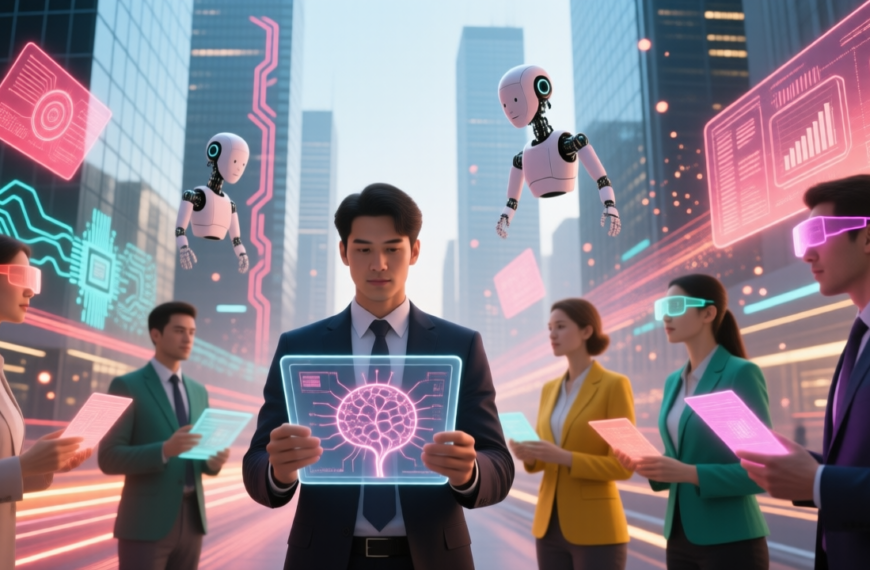
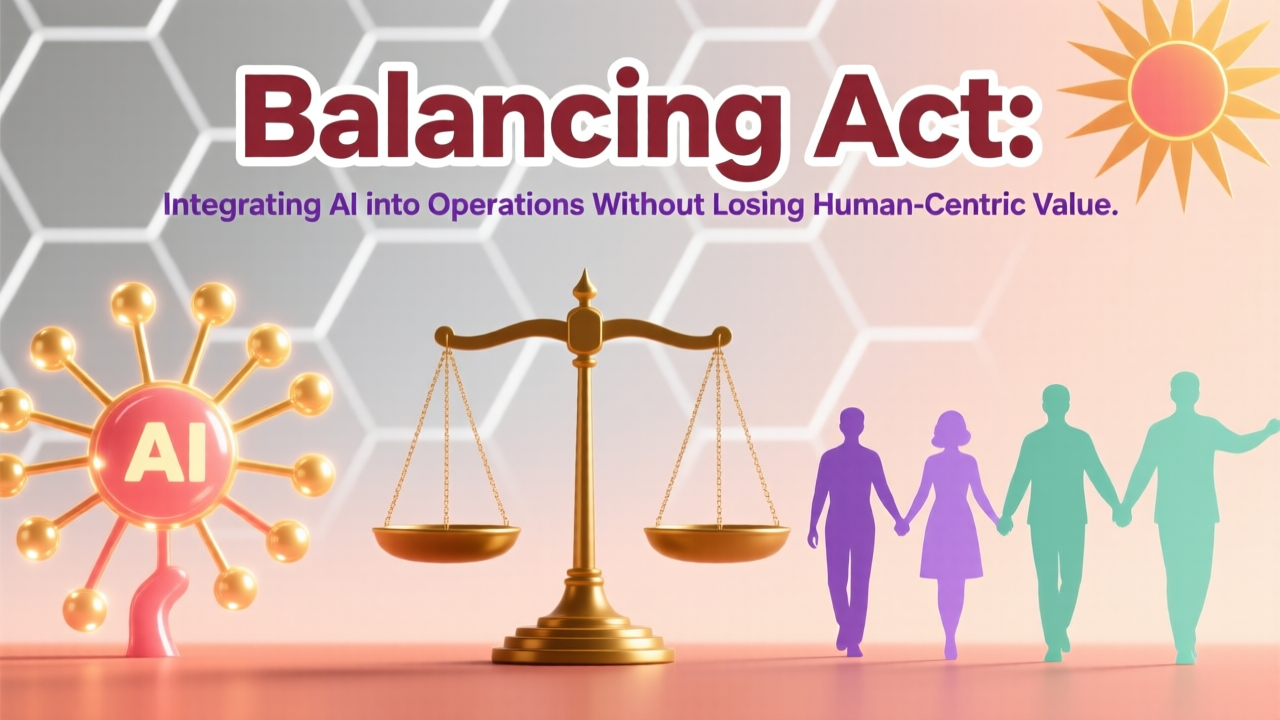
The rise of AI in operations is no longer a question of if, but how. From NVIDIA’s infrastructure cuts to Siemens’ automation engineering systems, enterprises are racing to deploy AI at scale. Yet, beneath the surface of this technological renaissance lies a critical tension: how to leverage AI’s efficiency without eroding the human-centric values that define organizational culture, ethics, and trust. This article dissects the balancing act between algorithmic precision and human agency, offering a strategic framework to navigate this complex terrain.
Context: The AI Integration Landscape
The Status Quo
AI has permeated operations across sectors, from physical AI in autonomous vehicles (Kakao Mobility, 2026) to agentic AI in finance (Agentic AI, 2026). However, the integration often follows a technology-first approach, prioritizing automation over human-centric design. This creates a paradox: while AI can reduce costs by 20-30% in logistics and manufacturing (McKinsey, 2025), it risks alienating employees, customers, and stakeholders who value human touchpoints.
The Future Reality
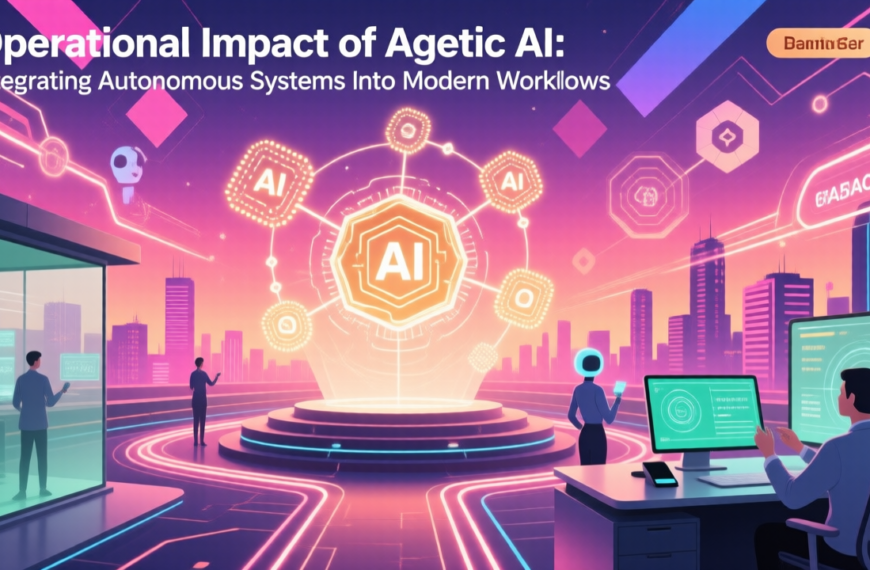
The future demands a hybrid model where AI and humans coexist symbiotically. This requires redefining operational goals: efficiency must be balanced with empathy, scalability with accountability, and innovation with ethics. As IBM’s AI platform Bob (2026) illustrates, the next frontier is not just deploying AI but orchestrating it with human oversight.
Key Insights: The Human-AI Symbiosis
1. Governance as a Strategic Imperative
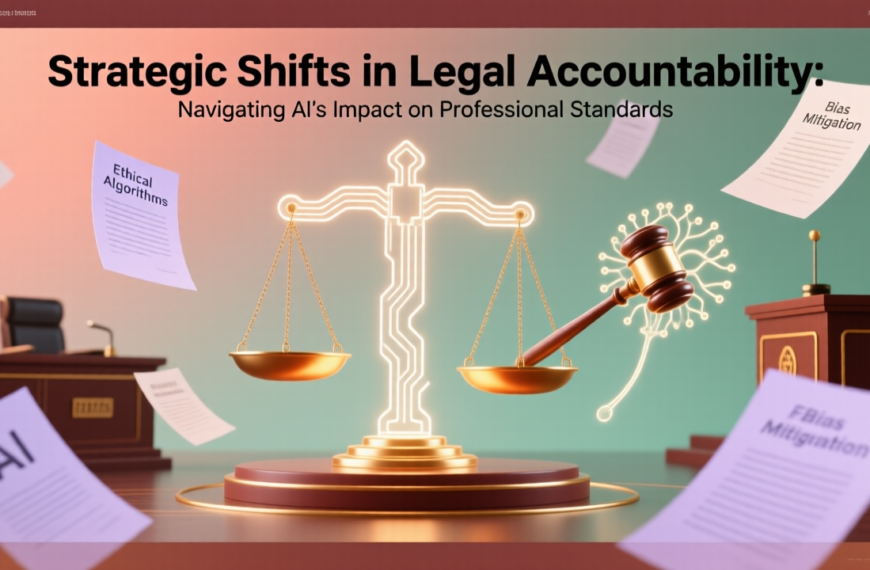
AI governance is no longer a compliance checkbox – it is a strategic lever. SAP’s 2026 report highlights that enterprises with robust governance frameworks secure 15-20% higher profit margins by mitigating risks like bias, data misuse, and regulatory penalties. Governance must encompass:
- Data Ethics: Ensuring AI systems do not perpetuate historical biases (e.g., facial recognition errors in underrepresented groups).
- Transparency: Making AI decision-making explainable to stakeholders (e.g., IBM’s Bob platform).
- Accountability: Assigning clear ownership for AI outcomes (e.g., SAP’s enterprise-wide AI audits).
2. The Role of Human-AI Collaboration
AI should act as a cognitive extension of human capabilities, not a replacement. For example, NVIDIA’s collaboration with LG (2026) demonstrates how physical AI can enhance human workers in manufacturing, reducing error rates by 40% while preserving roles in quality control and innovation.
3. Regulatory Evolution as a Catalyst
Regulatory frameworks like the EU AI Act (2026) are reshaping AI deployment. Companies must now classify AI systems by risk level (e.g., high-risk systems in healthcare and law require human oversight). This creates both challenges and opportunities: while compliance adds complexity, it also forces organizations to embed ethical guardrails that align with human-centric values.
Deep Dive: The Framework for Balanced AI Integration
The 5-Step Human-Centric AI Integration Framework
- Assess Organizational Needs: Identify operational pain points where AI can add value without displacing human roles. For example, retail logistics (TechForge, 2026) uses AI for inventory optimization but retains human roles in customer service.
- Align with Human Values: Ensure AI systems reflect organizational ethics, diversity, and cultural norms. This includes bias audits and stakeholder engagement (e.g., Trustpilot’s AI partnerships (2026) prioritize user trust over algorithmic accuracy alone).
- Integrate with Human Oversight: Design AI systems with human-in-the-loop mechanisms. For instance, Siemens’ automation engineering AI (2026) requires human engineers to validate AI-generated designs before deployment.
- Monitor and Adapt: Continuously evaluate AI performance against human-centric metrics (e.g., employee satisfaction, customer trust). Use feedback loops to refine systems (e.g., Microsoft’s open-source AI security toolkit (2026)).
- Scale with Empathy: As AI scales, invest in reskilling programs and cultural alignment. Companies like Apple (2026) are building AI agents with explicit ethical limits to preserve human agency.
Use Cases: Real-World Applications
1. Healthcare: AI in Diagnostics with Human Oversight
Mayo Clinic’s AI diagnostics (2025) use machine learning to flag anomalies in radiology scans, but final decisions require physician validation. This hybrid model reduces diagnostic errors by 35% while maintaining doctor-patient trust.
2. Retail: Personalization Without Exploitation
Amazon’s recommendation engines (2026) use AI to personalize shopping experiences but are regulated by ethical guidelines to prevent data misuse. This balance has increased customer retention by 22%.
3. Manufacturing: AI-Driven Automation with Human Roles
Toyota’s AI-assisted assembly lines (2026) use robots for repetitive tasks but retain human workers for quality checks and innovation. This model reduced production costs by 18% without job displacement.
Risks and Counter-Narratives
The Dark Side of AI Integration
While the benefits are clear, risks persist:
- Job Displacement: 30% of low-skill roles in logistics and customer service are at risk of automation (World Economic Forum, 2025).
- Bias Amplification: AI systems trained on biased data can perpetuate discrimination (e.g., Google’s poisoned AI agents (2026) due to malicious web content).
- Loss of Trust: Over-reliance on AI can erode customer and employee trust, as seen in Thailand’s Sora app controversy (2025).
Challenging the Thesis: Can AI Truly Be Human-Centric?
Critics argue that AI, by its nature, lacks empathy and moral reasoning. For example, agentic AI models like GPT-5.5 (2026) can simulate human-like responses but lack consciousness. This raises ethical questions: Should AI be allowed to make decisions in high-stakes scenarios like healthcare or law?
The counter-narrative suggests that human-centric AI is an illusion unless explicitly designed. Without intentional frameworks, AI risks becoming a tool of efficiency at the expense of ethics and empathy.
Future Outlook: The Road Ahead
Emerging Trends
- AI Governance as a Service (AIGaaS): Companies like Asylon (2026) are offering AI governance platforms to help enterprises comply with regulations while maintaining human-centric values.
- Explainable AI (XAI): The demand for transparent AI systems is growing, with 68% of enterprises investing in XAI tools (Gartner, 2026).
- Human-AI Collaboration Platforms: Tools like Thrive Logic’s physical AI solutions (2026) are enabling seamless human-AI workflows in security and logistics.
The Need for Cultural Shifts
The future of AI integration hinges on cultural adaptation. Leaders must foster a mindset where AI is a collaborator, not a competitor. This requires:
- Reskilling Programs: Investing in upskilling employees to work alongside AI (e.g., IBM’s AI training initiatives (2026)).
- Ethical AI Literacy: Educating stakeholders on AI’s capabilities and limitations.
- Inclusive Design: Ensuring AI systems reflect diverse perspectives to avoid bias.
Practical Guidance: Steps for Implementation
- Conduct a Human Impact Assessment: Evaluate how AI deployment affects employees, customers, and stakeholders.
- Build Cross-Functional Teams: Include ethicists, technologists, and HR in AI projects to ensure diverse perspectives.
- Implement AI Governance from Day One: Avoid retrofitting governance; embed it into the development lifecycle.
- Invest in Human-AI Training: Equip employees to work with AI tools effectively.
- Monitor for Bias and Displacement: Regularly audit AI systems for ethical compliance and job impact.
Conclusion: The Imperative of Balance
Integrating AI into operations is not a zero-sum game between technology and humanity. The data and case studies underscore a clear path: AI must be designed, deployed, and governed with human values at its core. By adopting frameworks that prioritize collaboration, ethics, and adaptability, enterprises can harness AI’s potential without sacrificing the human elements that define trust, innovation, and cultural integrity.
FAQ
1. How can companies ensure AI doesn’t replace human roles?
Implement human-in-the-loop systems and invest in reskilling programs. For example, Siemens (2026) uses AI for design automation but retains human engineers for validation.
2. What are the key risks of AI integration without human-centric design?
Risks include job displacement, ethical violations, and loss of trust. For instance, Google’s AI agents (2026) were compromised by malicious web content, highlighting the need for robust governance.
3. How do regulatory frameworks like the EU AI Act impact AI integration?
The EU AI Act mandates risk-based classification of AI systems, requiring high-risk systems (e.g., healthcare, law) to have human oversight. This forces organizations to embed ethics into AI design.
4. What role does employee training play in AI integration?
Training is critical to ensure employees can collaborate with AI rather than be replaced. IBM’s AI training programs (2026) demonstrate how upskilling can enhance productivity and job satisfaction.
5. Can AI truly be ethical without human oversight?
No. AI systems lack moral reasoning and must be explicitly designed with ethical guardrails. Apple’s AI agents (2026) are built with ethical limits to prevent misuse.
References
[1] IDC. (2026). How EMEA CIOs Can Jumpstart AI Rollouts. TechForge Publications.[2] SAP. (2026). Enterprise AI Governance and Profit Margins. TechForge Publications.[3] IBM. (2026). AI Platform Bob: Regulating SDLC Costs. TechForge Publications.[4] Google. (2026). Malicious Web Pages Poisoning AI Agents. TechForge Publications.[5] World Economic Forum. (2025). Future of Jobs Report.[6] Gartner. (2026). Explainable AI (XAI) Market Trends.[7] Forrester. (2025). Human-Centric AI and Employee Retention.


 By
By
 By
By