Texas Audits the Queue: When Power Becomes the AI Bottleneck
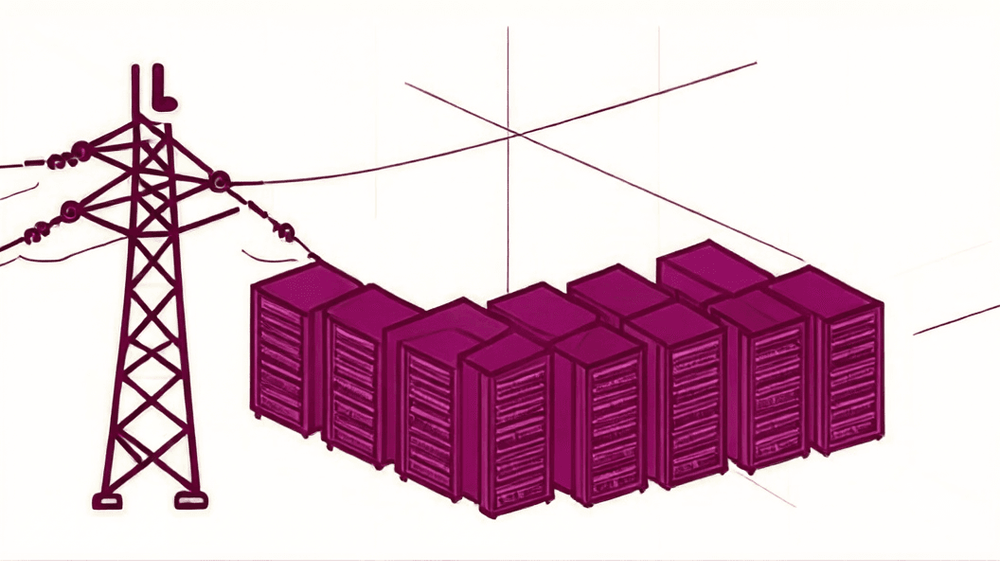
On August 3, 2026, Governor Greg Abbott directed the Public Utility Commission of Texas (PUCT) and the Electric Reliability Corporation of Texas (ERCOT) to verify and audit data center projects currently moving through the interconnection process. According to a report from Butler Snow, this directive aims to ensure all projects meet specific PUCT and ERCOT requirements before they proceed. This move follows a previous directive issued on June 10, 2026, regarding the management of large-load projects. The Governor's office has reported that total requests to connect to the grid have reached more than 474 gigawatts, with approximately 90 percent of that volume tied directly to data center projects.
The Scale of the Interconnection Queue
The sheer volume of requested load in Texas represents a significant shift in the state's energy profile. To understand the current tension, one must look at the trajectory of reported load. In late 2025, ERCOT reported a load of 226 gigawatts, a substantial increase from the 63 gigawatts reported just twelve months prior. The Governor's office puts the current total above 474 gigawatts, though the figures come from different sources and may not be strictly comparable.
This rapid escalation has created a disparity in how different entities measure prospective load. While the Governor's office puts total requests at over 474 gigawatts, a June 2026 analysis provided a different perspective, citing 445 gigawatts of prospective new load expected by 2033. Also, a trade piece from BIC Magazine carries a headline reporting 233 gigawatts of data center requests and asking how much of it is real. The trade piece's own estimate of the real share was not available for this article. For regulators, this distinction is critical: the grid must be built to accommodate real demand, but over-building to accommodate speculative requests can lead to unnecessary infrastructure costs and inefficient resource allocation.
| Source | Figure | What it measures |
|---|---|---|
| Governor's office | More than 474 GW | Requests to connect to the grid, about 90% tied to data centers |
| June 2026 analysis | 445 GW | Prospective new load by 2033 |
| Trade press headline | 438 GW | ERCOT large-load requests |
| BIC Magazine headline | 233 GW | Data center requests, with the headline asking how much is real |
| ERCOT, late 2025 | 226 GW | Large-load interconnection requests, up from 63 GW a year earlier |
The Problem of Speculative Load
The core of the regulatory anxiety lies in the possibility that the interconnection queue is being occupied by "placeholder" requests. In the context of power systems, speculative load refers to requests for interconnection that may never materialize into physical, operating facilities. If a high percentage of the 474 gigawatts in the queue is speculative, it creates a "phantom" demand that complicates long-term planning.
When ERCOT and PUCT plan for future generation and transmission needs, they must account for the load in the queue. If the queue is artificially inflated by non-actual requests, it can lead to several economic inefficiencies:
- Resource Misallocation: Investment in new generation plants or transmission lines may be directed toward areas where the load will never actually appear.
- Increased System Costs: The costs of maintaining excess capacity to serve speculative loads are often passed through to all rate-payers on the grid.
- Delayed Real Projects: Real industrial and data center projects may face longer wait times as they compete for capacity against "placeholder" requests that have no immediate intention of connecting.
One reading of the current situation is that the Texas grid is facing a "bottleneck of uncertainty." It is not just a shortage of electrons, but a shortage of certainty regarding who actually needs them. The 90 percent concentration of requests in the data center sector suggests data centers are the main driver of the queue.
The surge in data center interconnection requests suggests a shift where electricity, rather than land or capital, has become the primary limiting factor for data center expansion in Texas.
Key Insight
Regulatory Responses: Batch Zero and Targeted Audits
Texas regulators have begun implementing mechanisms to manage this influx. On June 2, 2026, ERCOT voted to begin studying data centers in specific groups, a process referred to as "Batch Zero." This move signifies a transition from a broad, undifferentiated study of all new load to a segmented approach that prioritizes specific high-impact categories, such as large-scale data centers.
The August 3, 2026, directive from Governor Abbott takes this a step further by mandating a formal audit. Unlike the "Batch Zero" study, which focused on the technical study of groups, the audit is a verification step. According to Texas Public Radio, regulators are working toward a new way of vetting these requests to ensure they are legitimate and compliant with existing rules before they are allowed to advance through the interconnection process.
The audit adds a verification step to how requests are processed. While this may introduce friction into the process, the regulatory goal is to protect the stability and economic efficiency of the grid for all participants. This approach seeks to reconcile the need for rapid technological growth with the necessity of reliable power delivery.
The Economic Implications for AI Infrastructure
For the technology sector, the Texas grid is increasingly viewed through the lens of capacity availability. As AI models require more power for training and inference, the speed at which a data center can secure a grid connection becomes a critical component of its operational timeline. If the audit and vetting processes significantly increase the time required to enter the grid, projects in Texas may take longer to connect.
Conversely, if the audit process successfully clears the "phantom" load from the queue, it may actually benefit legitimate AI developers. By removing non-actual requests, the "true" queue becomes more transparent, allowing companies to better estimate their actual chances of securing power. This reduces the risk for capital-intensive investments in large-scale data centers. The tension, therefore, is between the speed of deployment and the certainty of service.
This creates a bifurcation in the market:
- The Speculative Tier: Entities requesting large amounts of power for future, unconfirmed projects, potentially clogging the system.
- The Operational Tier: Companies with immediate, high-certainty needs for massive power, who require a transparent and reliable regulatory environment.
Strategic Outlook for Stakeholders
The coming months will be defined by the outcomes of the PUCT and ERCOT audits. For market participants, the period of "speculative growth" is being replaced by a period of "verified demand." Investors and policymakers should monitor several key indicators to assess the stability and direction of the Texas energy-AI nexus:
- Audit Completion Timelines: The speed with which PUCT and ERCOT move from the audit phase to a finalized vetting framework will determine the "wait time" for new industrial load.
- Queue Composition Post-Audit: A significant drop in the total gigawatts requested after the audit would confirm the presence of substantial speculative load.
- Batch Zero Findings: The specific results of the ERCOT data center studies will likely serve as a blueprint for how other large-load categories are handled.
- Interconnection Cost Fluctuations: Changes in the costs associated with securing new connections can indicate whether the grid's "bottleneck" is physical (transmission capacity) or regulatory (vetting delays).
Ultimately, the Texas approach represents a high-stakes experiment in balancing a deregulated, fast-moving market with the rigid requirements of grid reliability. The goal is to ensure that the power required for the next generation of computing does not come at the expense of the grid's fundamental stability.
Sources: butlersnow.com, tpr.org, bicmagazine.com.