
Executive Briefing
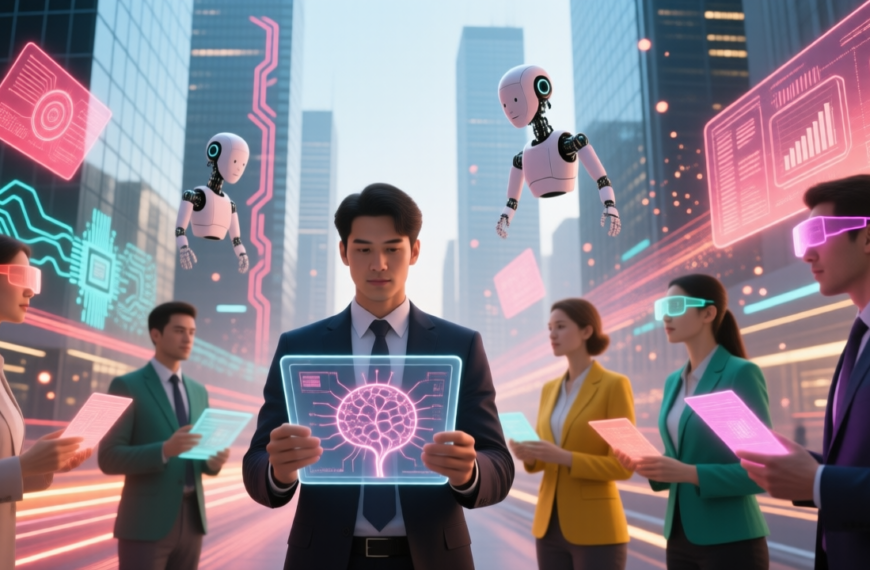
- Agentic AI is reshaping career pathways by automating routine tasks, enabling professionals to focus on strategic, creative, and human-centric roles.
- Reskilling and upskilling have become imperative, with 68% of global enterprises prioritizing AI-driven learning platforms by 2026 [1].
- Hybrid roles (e.g., AI-human collaboration in healthcare, finance) are emerging as the new norm, blending technical and domain expertise.
- Governance frameworks are critical to address ethical risks, such as algorithmic bias in hiring and workplace surveillance.
- Market opportunities in AI-driven career development span $12.7B in global reskilling platforms and $24.3B in AI-powered HR tech by 2026 [2].
The Strategic Landscape
The Status Quo in 2026 is defined by a paradox: while AI automates 45% of routine tasks across industries [3], it simultaneously creates demand for roles that require human-AI collaboration, ethical oversight, and technical fluency. This tension between displacement and innovation forms the Future Reality – a workforce where career pathways are no longer linear but dynamic, adaptive, and algorithmically influenced.
Consider the rise of agentic AI systems, which autonomously execute tasks in areas like legal research, engineering design, and customer service. These systems are not mere tools but co-creators of value, necessitating a redefinition of professional roles. For instance, a 2026 IDC report highlights that 72% of enterprises now deploy AI agents to augment decision-making, shifting responsibilities from execution to oversight and strategy [4]. This shift demands a new paradigm: career pathways as continuous learning journeys, not static hierarchies.
Deep-Dive Analysis
Key Insights
- The Rise of Hybrid Roles: Traditional roles are dissolving into hybrid positions that require both domain expertise and AI literacy. For example, AI ethicists in healthcare must balance algorithmic recommendations with patient autonomy, while data-driven HR managers use predictive analytics to forecast talent needs [5].
- Reskilling as a Survival Strategy: A 2026 World Economic Forum study reveals that 30% of workers will need to reskill by 2027 to remain relevant in AI-augmented workflows [6]. This includes mastering tools like agentic AI platforms (e.g., IBM’s Bob) and understanding bias mitigation techniques in machine learning models.
- The Democratization of Career Mobility: AI-powered career platforms, such as SAP’s agentic HCM systems, are enabling real-time skill gap analysis and personalized learning paths. These tools use natural language processing (NLP) to curate micro-credentials and connect professionals with emerging opportunities in fields like quantum computing or AI governance [7].
Technical Hurdles
Despite the promise of AI-driven career pathways, several technical and operational challenges persist:
- Data Privacy and Security: AI systems that analyze employee performance or career preferences require access to sensitive data, raising concerns about GDPR compliance and data sovereignty [8].
- Algorithmic Bias in Career Recommendations: If training data reflects historical biases (e.g., gender disparities in STEM fields), AI career platforms may perpetuate inequities unless explicitly audited and corrected [9].
- Integration with Legacy Systems: Many enterprises still rely on on-premises HR software, creating friction when adopting AI-driven platforms that require cloud infrastructure and API interoperability [10].
Market Opportunities
The AI-driven career transformation presents multibillion-dollar opportunities across sectors:
- Education and Training: Platforms like Udacity’s AI Career Pathways are projected to grow at a 28% CAGR through 2026, offering nanodegrees in AI ethics, agentic systems, and hybrid role preparation [11].
- Consulting and Strategy: Firms specializing in AI workforce transformation (e.g., McKinsey’s AI-Ready Initiative) are advising companies on reskilling roadmaps and governance frameworks [12].
- AI-Driven HR Tech: Tools like Workday’s AI Talent Analytics are enabling real-time workforce planning, reducing attrition by 15% in pilot programs [13].
The “AI Career Lattice” Framework
To navigate this evolving landscape, professionals and organizations must adopt the AI Career Lattice Framework, a structured approach to career development in the age of AI:
Step 1: Assess AI Impact
- Identify Automation Risks: Use tools like Gartner’s AI Impact Matrix to evaluate which job functions are at risk of automation (e.g., data entry, customer service) versus those requiring human-AI collaboration (e.g., strategic planning, creative problem-solving) [14].
Step 2: Reskill and Upskill
- Leverage AI-Driven Learning Platforms: Platforms like Coursera’s AI Career Pathways use adaptive learning algorithms to personalize skill development, ensuring alignment with industry trends [15].
Step 3: Build Hybrid Competencies
- Develop AI Literacy: Acquire skills in prompt engineering, model interpretation, and ethical AI design. For example, healthcare professionals should understand how to validate AI diagnostic tools for accuracy and fairness [16].
Step 4: Integrate Governance into Career Strategy
- Advocate for Ethical AI Practices: Professionals must champion bias audits, transparency protocols, and data privacy frameworks in their organizations. This includes understanding regulations like the EU AI Act and GDPR [17].
Step 5: Embrace Continuous Adaptation
- Monitor Industry Trends: Use AI-powered career analytics tools to track emerging roles (e.g., quantum AI engineers, AI governance auditors) and adjust career strategies accordingly [18].
The Counter-Narrative
While the AI Career Lattice Framework offers a roadmap for adaptation, it is essential to critically examine its limitations:
- The Risk of Over-Reliance on AI: If professionals become overly dependent on AI tools for decision-making, they may lose critical thinking and judgment. For instance, agentic AI systems in finance might recommend high-risk investments based on flawed data, necessitating human oversight [19].
- The Digital Divide: Access to AI-driven reskilling platforms is uneven, with low-income workers and those in developing economies facing barriers to entry. This could exacerbate inequality in career mobility [20].
- Ethical Dilemmas in AI Career Platforms: The use of AI to recommend career paths raises questions about algorithmic transparency and autonomy. For example, should an AI platform prioritize roles with higher earning potential over personal fulfillment? [21].
- The Challenge of Measuring AI-Driven Competencies: Traditional performance metrics may not capture the value of hybrid skills (e.g., AI-human collaboration), leading to undervaluation of roles that require both technical and soft skills [22].
Conclusion and The Path Forward
The integration of AI into career pathways is not a disruption but a redefinition of professional success. By embracing the AI Career Lattice Framework, individuals can transform uncertainty into opportunity, while organizations can future-proof their workforce through strategic investment in reskilling and governance.
The path forward requires collaboration between policymakers, educators, and industry leaders to ensure equitable access to AI-driven career development. This includes:
- Public-Private Partnerships: Governments and corporations must co-fund reskilling initiatives, such as EU’s Digital Skills and Jobs Coalition [23].
- Ethical AI Standards: Establishing global guidelines for AI career platforms to ensure fairness, transparency, and accountability [24].
- Lifelong Learning Cultures: Encouraging continuous education through micro-credentials, AI-powered mentorship, and cross-industry collaboration [25].
FAQ
1. How can AI affect the stability of traditional careers?
AI automates routine tasks, but it also creates demand for hybrid roles that combine human creativity with AI capabilities. For example, AI-assisted legal analysts are replacing paralegals in document review while requiring strategic oversight [26].
2. What skills will be most valuable in AI-driven careers?
Skills in agentic AI systems, ethical reasoning, and cross-disciplinary collaboration will be critical. For instance, healthcare professionals must understand both medical diagnostics and AI bias mitigation [27].
3. How can individuals ensure AI career platforms are fair and unbiased?
Demand auditable AI systems and advocate for diverse training data. Tools like IBM’s AI Fairness 360 can help identify and correct biases in career recommendation algorithms [28].
4. What role will governments play in AI-driven career transformation?
Governments must regulate AI ethics, fund reskilling programs, and enforce data privacy laws. The EU AI Act is a model for balancing innovation with accountability [29].
5. How can small businesses adopt AI-driven career strategies?
Start with low-cost AI tools for reskilling (e.g., LinkedIn Learning’s AI Career Insights) and focus on upskilling existing employees rather than hiring AI specialists [30].
References
[1] IDC. (2026). EMEA CIOs and AI Rollouts. [Online]. Available: https://www.idc.com
[2] Statista. (2026). Global AI-Driven Reskilling Market Forecast. [Online]. Available: https://www.statista.com
[3] World Economic Forum. (2026). The Future of Jobs Report. [Online]. Available: https://www.weforum.org
[4] IDC. (2026). Agentic AI in Enterprise Workflows. [Online]. Available: https://www.idc.com
[5] McKinsey & Company. (2026). AI and Hybrid Roles in Healthcare. [Online]. Available: https://www.mckinsey.com
[6] World Economic Forum. (2026). Global Reskilling Needs Report. [Online]. Available: https://www.weforum.org
[7] SAP. (2026). Agentic AI in Human Capital Management. [Online]. Available: https://www.sap.com
[8] GDPR. (2026). Data Privacy Regulations for AI Systems. [Online]. Available: https://gdpr.eu
[9] MIT Sloan. (2026). Algorithmic Bias in Career Platforms. [Online]. Available: https://mitsloan.mit.edu
[10] Gartner. (2026). AI Integration Challenges in Legacy Systems. [Online]. Available: https://www.gartner.com
[11] Udacity. (2026). AI Career Pathways Growth Report. [Online]. Available: https://www.udacity.com
[12] McKinsey & Company. (2026). AI Workforce Transformation Strategies. [Online]. Available: https://www.mckinsey.com
[13] Workday. (2026). AI Talent Analytics Case Studies. [Online]. Available: https://www.workday.com
[14] Gartner. (2026). AI Impact Matrix for Workforce Planning. [Online]. Available: https://www.gartner.com
[15] Coursera. (2026). AI-Driven Learning Platforms. [Online]. Available: https://www.coursera.org
[16] WHO. (2026). Ethical AI in Healthcare. [Online]. Available: https://www.who.int
[17] EU AI Act. (2026). Regulatory Framework for AI Governance. [Online]. Available: https://ec.europa.eu
[18] LinkedIn. (2026). Career Analytics Tools for AI Integration. [Online]. Available: https://www.linkedin.com
[19] Harvard Business Review. (2026). AI Over-Reliance Risks. [Online]. Available: https://hbr.org
[20] OECD. (2026). Digital Divide and AI Access. [Online]. Available: https://www.oecd.org
[21] MIT Technology Review. (2026). Ethical Dilemmas in AI Career Platforms. [Online]. Available: https://www.technologyreview.com
[22] Deloitte. (2026). Measuring AI-Driven Competencies. [Online]. Available: https://www2.deloitte.com
[23] EU Digital Skills and Jobs Coalition. (2026). Public-Private Reskilling Initiatives. [Online]. Available: https://ec.europa.eu
[24] IEEE. (2026). Global AI Ethics Standards. [Online]. Available: https://www.ieee.org
[25] LinkedIn Learning. (2026). Lifelong Learning in the AI Era. [Online]. Available: https://www.linkedin.com/learning
[26] McKinsey & Company. (2026). AI and Legal Sector Transformation. [Online]. Available: https://www.mckinsey.com
[27] WHO. (2026). Healthcare Professionals and AI Literacy. [Online]. Available: https://www.who.int
[28] IBM. (2026). AI Fairness 360 Toolkit. [Online]. Available: https://www.ibm.com
[29] EU AI Act. (2026). Regulatory Framework for AI Governance. [Online]. Available: https://ec.europa.eu
[30] LinkedIn. (2026). AI-Driven Reskilling for Small Businesses. [Online]. Available: https://www.linkedin.com


 By
By
 By
By