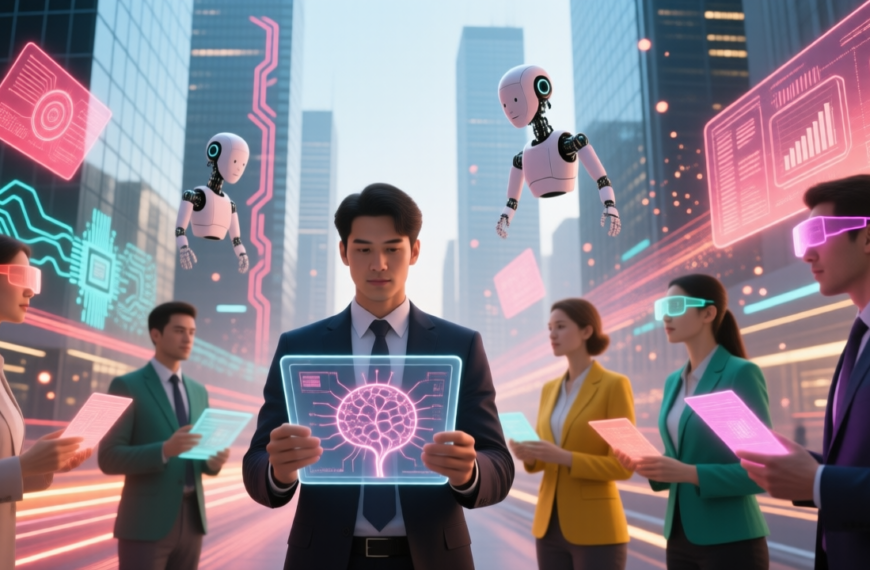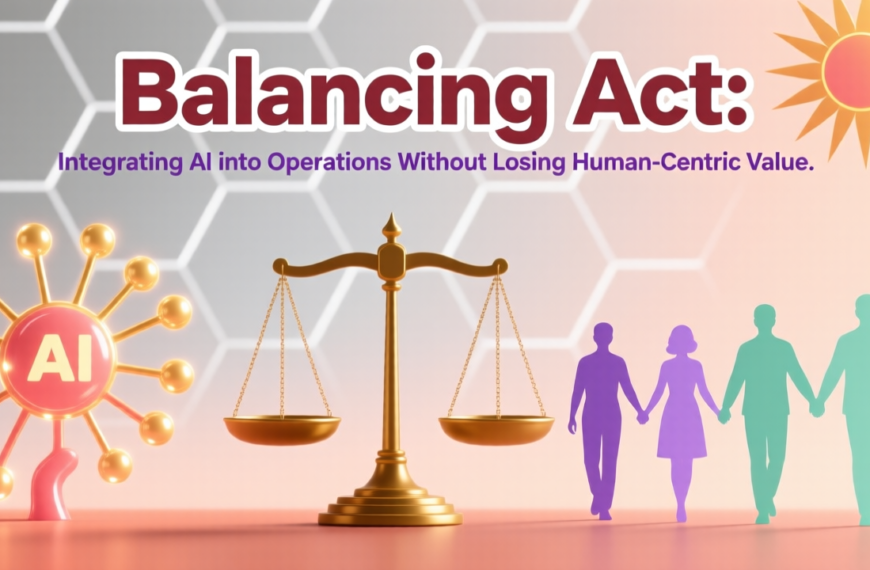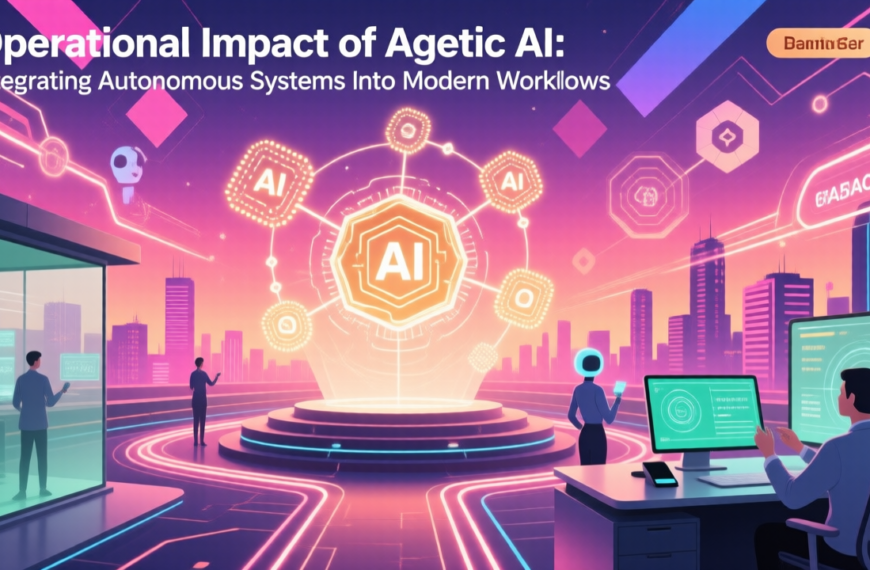
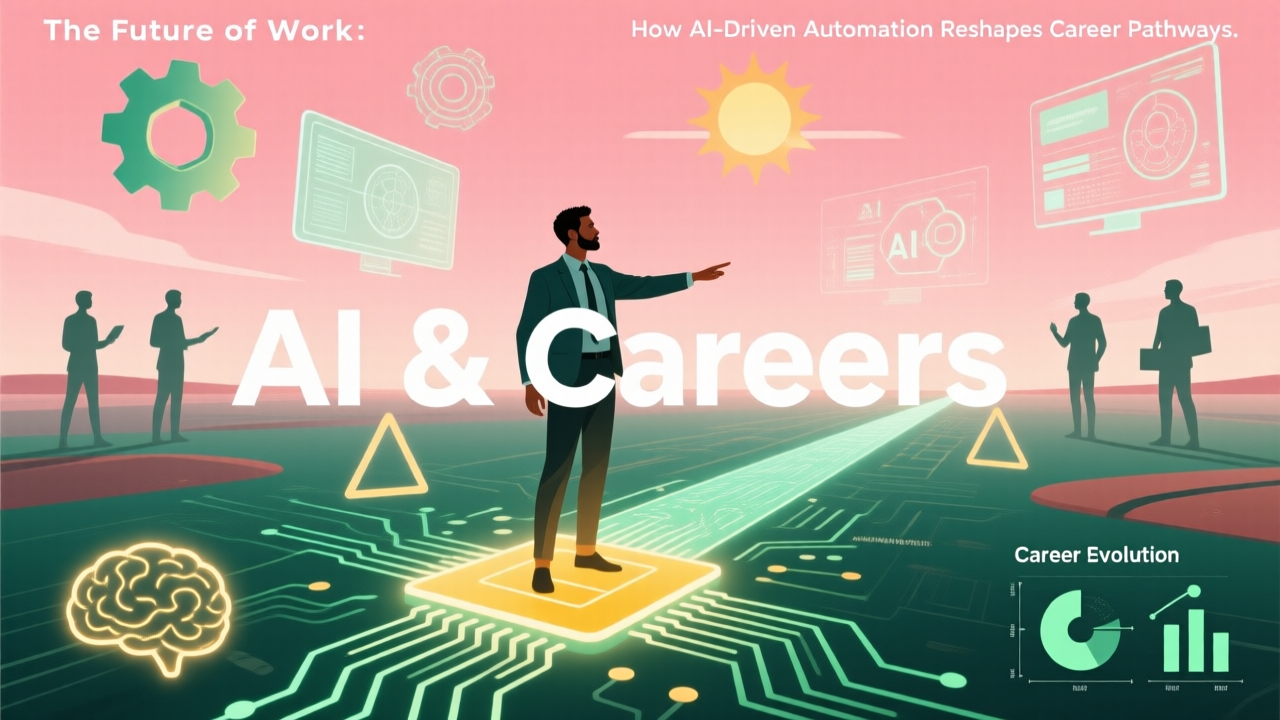

Imagine a world where your first job interview is conducted by an AI, your daily tasks are optimized by algorithms, and your career trajectory is shaped by predictive analytics. This is not science fiction – it is the reality being built today. As AI-driven automation accelerates, it is redefining not just how we work, but what it means to work at all. For students entering the workforce, the stakes have never been higher: adapt or be left behind.
Executive Summary
- AI is reshaping industries: From healthcare to finance, automation is driving efficiency but also redefining job roles.
- Legal and ethical challenges: AI errors, like those in legal briefs, highlight the need for accountability frameworks.
- Workforce transformation: Companies like Snap and Atlassian are cutting jobs, signaling a shift toward AI-driven operations.
- Healthcare breakthroughs: Tools like MangroveGS are revolutionizing diagnostics, creating new career opportunities in AI-assisted medicine.
- Future skills: Students must master AI literacy, ethics, and adaptability to thrive in an automated world.
The Changing Nature of Work
From Jobs to Skills: The Shift in Career Pathways
The rise of AI-driven automation is not just about replacing jobs – it’s about redefining the skills required to succeed. Consider the case of Snap, which cut 1,000 jobs in 2026, citing AI’s ability to generate 65% of new code. This shift underscores a critical truth: the future belongs to those who can collaborate with AI, not compete against it.
For students, this means rethinking education. Traditional degrees in computer science or engineering are no longer sufficient. Instead, the focus must shift to AI literacy, data interpretation, and ethical reasoning. For example, the University of Geneva’s MangroveGS tool, which predicts cancer metastasis with 80% accuracy, is not just a medical breakthrough – it’s a career catalyst. It creates demand for professionals who can train, validate, and interpret AI models in healthcare, blending biology with machine learning.
Case Study: The AI-Driven Healthcare Revolution
Imagine a student majoring in biology who, instead of pursuing a traditional medical career, becomes a bio-informatics specialist. They might work with tools like MangroveGS, using AI to analyze patient data and predict treatment outcomes. This is not a hypothetical scenario – it’s the reality for graduates entering the healthcare sector today.
Such roles require a unique skill set: understanding both the biological mechanisms of disease and the algorithms that power AI diagnostics. Students must learn to ask questions like, “How does this AI model account for genetic variability?” or “What ethical considerations arise when deploying predictive models in clinical settings?” These are the questions that will define the next generation of healthcare professionals.
Ethical and Legal Challenges in AI-Driven Work
The Cost of AI Errors: A Lesson from the Legal Sector
The Nebraska Supreme Court case against attorney Greg Lake serves as a cautionary tale. Lake was suspended for using AI-generated legal briefs that contained 57 defective citations, including 20 hallucinations. This incident highlights a critical issue: AI is only as reliable as the data it’s trained on.
For students, this means understanding the ethical implications of AI. Future professionals must be trained to recognize when AI outputs are flawed, how to verify them, and when to rely on human judgment. This is not just about technical skills – it’s about critical thinking in an age of automation.
Case Study: The Legal Sector’s AI Dilemma
Consider a law student who graduates into a profession where AI is drafting contracts, analyzing case law, and even predicting judicial outcomes. While this could streamline legal work, it also raises questions: Who is accountable for AI-generated errors? How do we ensure fairness in AI-driven legal decisions? These are not just academic questions – they are the ethical dilemmas that will shape the legal profession in the coming decades.
Preparing for the AI-Driven Future
Skills for the Next Decade: What Students Need to Learn
The key to thriving in an AI-driven workforce lies in adaptability and interdisciplinary knowledge. Students must learn to work alongside AI, not against it. This means mastering tools like NVIDIA’s NeMoCLAW, which is transforming AI from experimental to operational infrastructure, or understanding the Model Context Protocol (MCP), a standard for agentic AI systems.
Moreover, students must develop soft skills that AI cannot replicate: creativity, empathy, and ethical reasoning. While AI can analyze data, it cannot replace the human ability to interpret context or make morally complex decisions. These are the skills that will differentiate future professionals in an AI-dominated world.
Case Study: The Rise of Agentic AI in Enterprise
Take the example of NVIDIA’s GTC 2026, where agentic AI frameworks like NeMoCLAW were showcased. These systems allow AI to autonomously execute tasks, from generating code to managing supply chains. For students, this means understanding how to design, train, and oversee such systems. It’s not just about coding – it’s about building trust in AI-driven workflows.
A student with a background in both computer science and business might find themselves in a role where they oversee AI-driven operations, ensuring that algorithms align with company goals and ethical standards. This is the future of work: a blend of technical expertise and human oversight.
Reflection: The Human Element in an AI-Driven World
As AI reshapes career pathways, one question remains: What is the role of humans in this new era? The answer lies in our ability to collaborate with AI, to innovate beyond its capabilities, and to uphold ethical standards in a world where machines make decisions.
For students, this means embracing a mindset of lifelong learning. The skills required today may be obsolete tomorrow. The key is to stay curious, to ask questions, and to remain adaptable. As AI continues to evolve, so too must our understanding of what it means to work, to learn, and to lead.
Frequently Asked Questions
How can students prepare for an AI-driven job market?
Students should focus on AI literacy, data analysis, and ethical reasoning. Courses in machine learning, ethics, and interdisciplinary studies (e.g., bio-informatics) will be critical. Additionally, developing soft skills like creativity and empathy will help students stand out in an AI-dominated workforce.
What are the ethical challenges of AI in the workplace?
AI can introduce biases, errors, and accountability issues. For example, AI-generated legal briefs may contain hallucinations, as seen in the Nebraska Supreme Court case. Students must learn to recognize these risks and advocate for transparency and fairness in AI systems.
Will AI replace human jobs, or create new ones?
AI will automate many routine tasks, but it will also create new roles in AI development, oversight, and ethics. The key is to adapt and upskill to work alongside AI, not against it. The future belongs to those who can collaborate with machines to solve complex problems.
How can students ensure they are using AI responsibly?
Students should prioritize ethical AI practices, such as verifying AI outputs, understanding the data behind models, and advocating for transparency. Engaging with frameworks like the Stanford AI Index can help students stay informed about AI’s societal impact.
What role will humans play in an AI-driven world?
Humans will remain essential for creative problem-solving, ethical decision-making, and human-centric tasks that AI cannot replicate. The goal is not to replace humans with AI, but to augment human potential through technology.


 By
By
 By
By