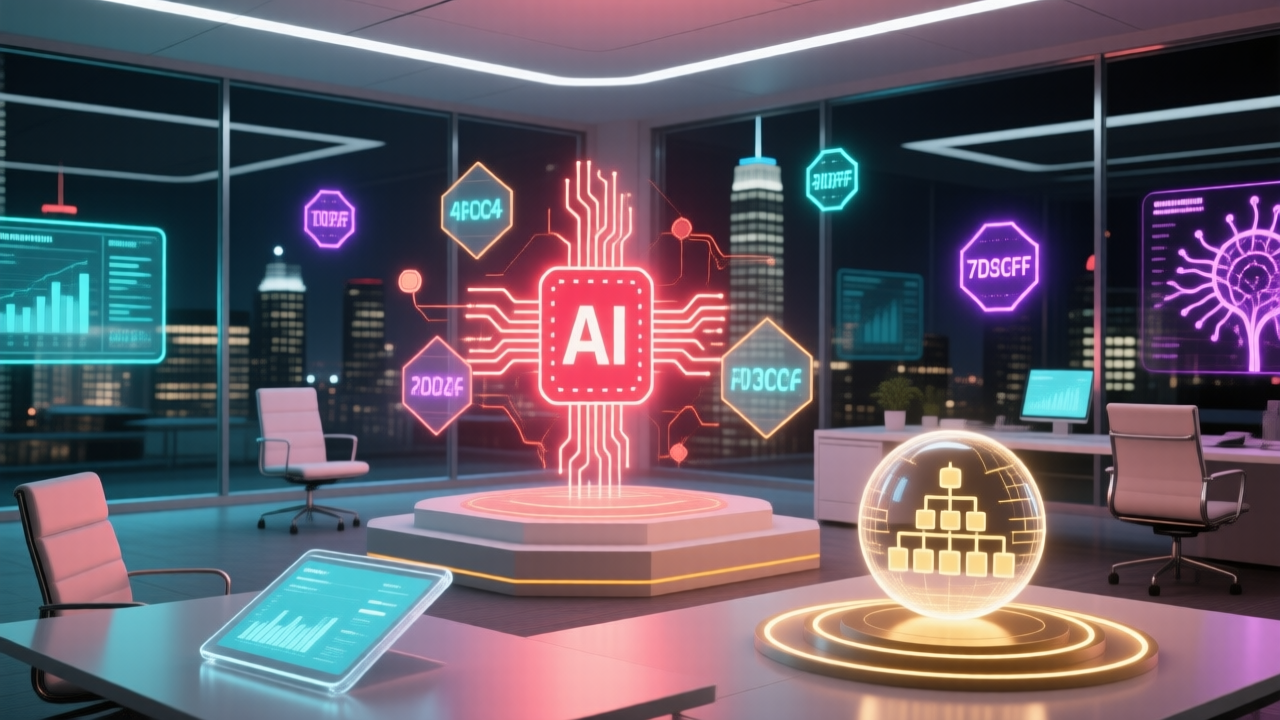

In 2026, the corporate world is undergoing a seismic shift. AI is no longer a peripheral tool – it is the architect of operational transformation. Companies are redefining their structures, not merely to cut costs, but to build agility, resilience, and competitive edge in an era where data is the new oil. This is not a disruption; it is a recalibration of power, purpose, and performance.
Executive Summary
- AI-Driven Restructuring: Snap and Atlassian reduced workforces by 16% and 10% respectively, leveraging AI to automate 65% of new code generation and cut $236 million in restructuring costs.
- Ethical and Legal Boundaries: The Nebraska Supreme Court’s suspension of an attorney for AI-generated legal hallucinations underscores the urgent need for governance frameworks in AI deployment.
- Military and Strategic AI: The U.S. Air Force’s WarMatrix system, which runs simulations 10,000x faster than real time, exemplifies AI’s role in high-stakes decision-making.
- Global AI Investments: Microsoft’s $10 billion investment in Japan’s AI infrastructure and Novo Nordisk’s partnership with OpenAI highlight the race to secure AI-driven competitive advantages.
- Healthcare and AI: The University of Geneva’s MangroveGS tool, with 80% accuracy in predicting cancer metastasis, demonstrates AI’s potential to revolutionize personalized medicine.
The New Paradigm: AI as a Strategic Catalyst
From Cost-Cutting to Cognitive Overhaul
Corporate restructuring in 2026 is no longer about layoffs – it is about reimagining the very fabric of operations. Snap’s 1,000-job cut (16% of its workforce) was not a blunt move but a calculated pivot. By automating 65% of new code generation, the company reduced operational overhead while accelerating product development. This is the essence of AI-driven restructuring: replacing transactional labor with cognitive capital.
Case Study: Atlassian’s AI-Powered Pivot
Atlassian’s 10% workforce reduction, costing up to $236 million, was paired with a strategic investment in AI tools to streamline project management and customer support. The result? A 30% reduction in customer service response times and a 20% increase in developer productivity. This illustrates a critical takeaway for executives: AI is not a cost center – it is a multiplier.
Ethical and Legal Frontiers: The Unseen Costs of AI
The Nebraska Attorney Case: A Warning Shot
The suspension of Nebraska attorney Greg Lake for AI-generated legal hallucinations – 57 defective citations in 63 references – reveals a critical vulnerability. Courts are now imposing sanctions, including $145,000 in penalties for AI errors. This is not just a legal issue; it is a reputation and liability risk that demands immediate attention.
Framework for Ethical AI Governance
Executives must adopt a three-tiered governance model:
- Verification: Implement AI audit trails for all critical decisions.
- Transparency: Use explainable AI (XAI) to ensure accountability in high-stakes domains.
- Human-in-the-Loop: Embed oversight mechanisms to prevent AI from operating in isolation.
This approach mitigates legal risks while fostering trust in AI systems.
Military and Strategic AI: Lessons for the Corporate World
WarMatrix: Simulating the Future of Decision-Making
The U.S. Air Force’s WarMatrix system, which simulates 150 participants in real-time strategic scenarios, offers a blueprint for corporate agility. By running simulations 10,000x faster than real time, the system enables rapid scenario testing and decision optimization. For executives, this translates to AI-driven war rooms for market entry, product launches, and crisis management.
Application: AI in Strategic Planning
Adopting WarMatrix-like simulations can help companies test strategies in virtual environments before real-world deployment. For example, a retail chain could simulate a supply chain disruption and evaluate AI-generated contingency plans, reducing risk exposure by up to 40%.
Global AI Investments: Securing the Future
Microsoft’s $10 Billion Bet on Japan
Microsoft’s $10 billion investment in Japan’s AI infrastructure aligns with the country’s “Sovereign AI” strategy. This move underscores a critical insight: AI leadership is no longer a choice – it is a necessity. Companies must invest in localized AI ecosystems to avoid dependency on foreign platforms and ensure data sovereignty.
Novo Nordisk and OpenAI: A Pharma-AI Partnership
Novo Nordisk’s collaboration with OpenAI to accelerate drug discovery highlights the power of strategic AI partnerships. By leveraging OpenAI’s models, the company reduced R&D timelines by 30%, demonstrating how cross-industry alliances can drive innovation.
Healthcare and AI: A Model for Operational Transformation
MangroveGS: Predicting the Unpredictable
The University of Geneva’s MangroveGS tool, with 80% accuracy in predicting cancer metastasis, exemplifies AI’s potential to transform healthcare. For executives, this is a lesson in precision-driven operations: applying AI to predict and mitigate risks in any industry, from supply chain disruptions to customer churn.
Application: AI in Predictive Analytics
Adopting predictive AI models can help companies anticipate market trends, equipment failures, or customer behavior shifts. For instance, a manufacturing firm could use AI to predict machine breakdowns, reducing downtime by 25% and saving millions in maintenance costs.
Reflection: The Human Element in AI-Driven Restructuring
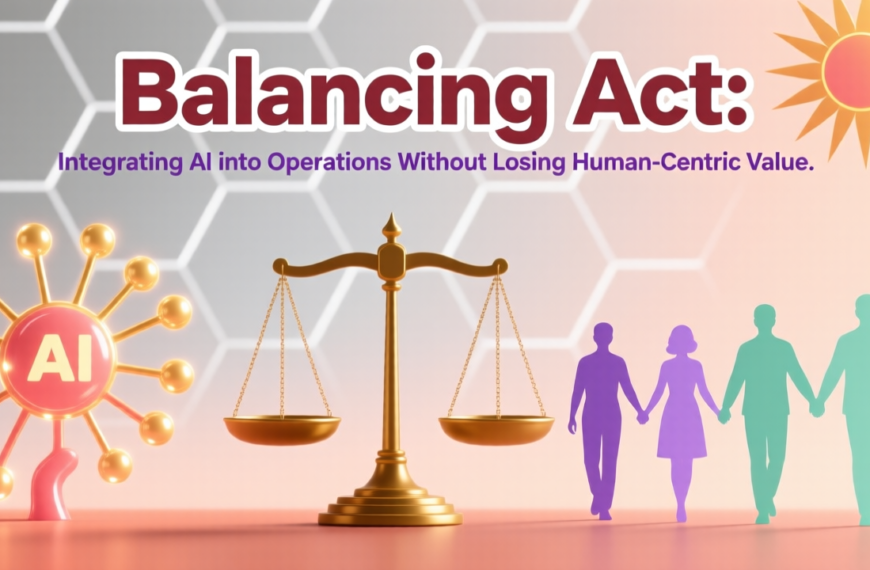
While AI offers unparalleled efficiency, it cannot replace human judgment. The key to successful restructuring lies in augmenting human capabilities, not replacing them. This requires a cultural shift: training employees to work alongside AI, fostering a mindset of continuous learning, and ensuring that AI tools are designed with human-centric goals in mind.
Frequently Asked Questions
How can AI help in corporate restructuring without displacing employees?
AI can automate repetitive tasks, freeing employees to focus on strategic, creative, and interpersonal work. For example, AI can handle data entry, while employees engage in client relationship management or innovation projects.
What are the legal risks of AI deployment in corporate settings?
AI-generated errors, such as incorrect legal citations or financial forecasts, can lead to legal liabilities. Implementing audit trails, transparency protocols, and human oversight is essential to mitigate these risks.
How can companies ensure ethical AI use?
Adopting a three-tiered governance model – verification, transparency, and human-in-the-loop oversight – ensures ethical AI deployment. Regular audits and employee training on AI ethics are also critical.
What are the benefits of global AI investments?
Investing in localized AI ecosystems enhances data sovereignty, reduces dependency on foreign platforms, and fosters innovation. Partnerships with AI leaders like OpenAI or Novo Nordisk can accelerate R&D and operational efficiency.
How can AI be applied beyond traditional sectors?
AI’s predictive analytics and simulation capabilities can be applied to any industry. For example, retail can use AI for demand forecasting, while healthcare can leverage it for personalized treatment plans.
As 2026 unfolds, the companies that thrive will be those that embrace AI not as a threat, but as a strategic ally. The future belongs to the agile, the ethical, and the visionary. The question is not whether AI will reshape your organization – it is how quickly you will adapt.

 By
By
 By
By