

Crafting a Winning AI Strategy in a Disruptive Era
Executive Summary
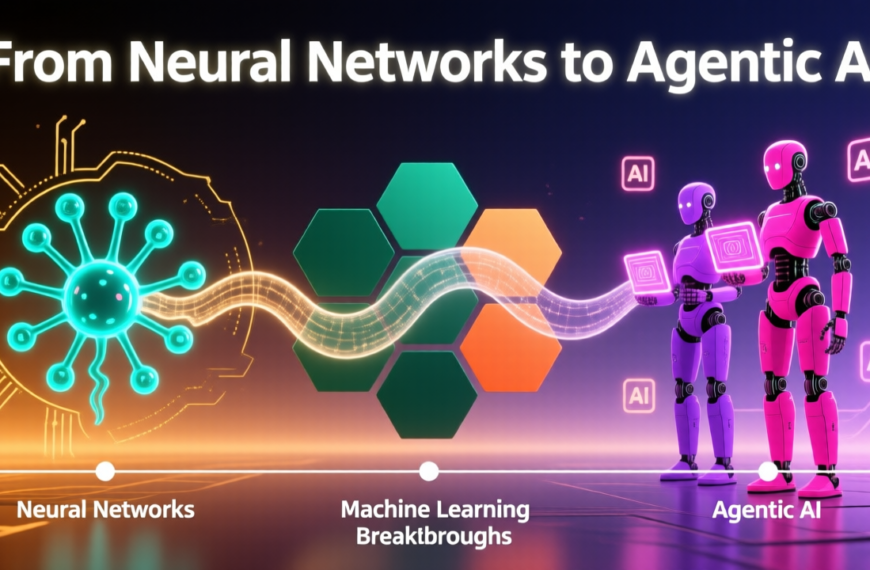
As we navigate the unprecedented technological landscape of 2026, artificial intelligence is no longer a peripheral innovation or an experimental sandbox; it is the core engine of enterprise value creation and competitive differentiation. The transition from isolated generative AI pilots to ubiquitous, agentic AI has fundamentally disrupted traditional business models across every sector. Organizations are now forced to move beyond the hype cycle and embed AI deeply into their operational DNA, supply chains, and customer interactions. This comprehensive article provides an action-oriented blueprint for crafting a winning AI strategy in this era of relentless disruption. We will explore the imperative of centralized AI studios, the rapid rise of sovereign AI for data security, the critical need for continuous algorithmic upskilling, and the shift towards autonomous, multi-agent systems.
The executive mandate is clear: deploy AI strategically, ethically, and securely, or face rapid, irreversible obsolescence. A winning AI strategy in 2026 requires decisive action, agile governance, and a relentless, unwavering focus on measurable business outcomes.
This guide equips forward-thinking leaders with the necessary frameworks, industry insights, and practical methodologies to turn AI-driven disruption into a sustainable, long-term competitive advantage.
1. The 2026 AI Landscape: From Pilots to Scalable Production
The era of endless AI experimentation and isolated proof-of-concepts is officially over. In 2026, the enterprise focus has shifted entirely to scalable, secure, and robust production environments. According to the latest comprehensive Global Tech Insights Report, over 85% of Fortune 500 companies have successfully transitioned their AI initiatives from decentralized, shadow IT silos to centralized, cross-functional “AI Studios.” This critical structural shift is essential for aligning AI investments with overarching business objectives, optimizing resource allocation, and ensuring consistent, enterprise-wide governance.
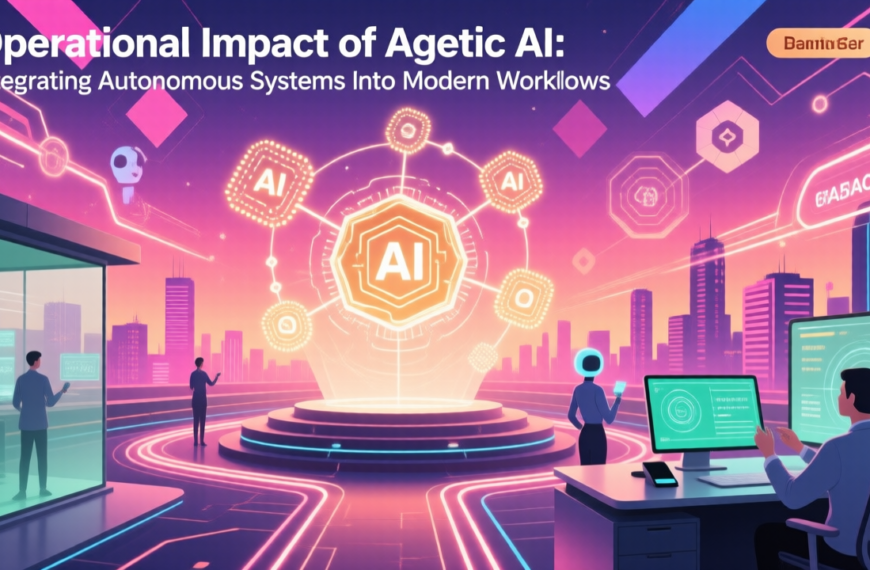
The technological capabilities available to enterprises have also matured significantly. We are witnessing the widespread deployment of agentic workflows—sophisticated AI systems that can autonomously plan, execute, evaluate, and iterate on complex, multi-step tasks with minimal human intervention. This shift demands a radical rethink of traditional process engineering, talent allocation, and organizational hierarchies.
- Centralized AI Studios: Consolidating top-tier talent, computational infrastructure, and governance frameworks into dedicated centers of excellence to drive scalable, secure AI adoption across all business units.
- Agentic Workflows and Multi-Agent Systems: Moving aggressively from reactive AI assistants to proactive, collaborative AI agents capable of autonomous problem-solving, negotiation, and execution in dynamic environments.
- Edge AI Deployment: Pushing AI processing capabilities closer to the source of data generation to drastically reduce latency, enhance real-time decision-making, and significantly lower exorbitant cloud computing costs.
2. The Core Pillars of a Winning Enterprise AI Strategy
A robust and resilient AI strategy in 2026 must be built on a solid foundation of agility, uncompromising security, and clearly defined, measurable value. Business leaders must focus intensely on three core pillars to navigate the complexities of AI integration successfully and sustainably.
Pillar 1: Sovereign AI and Data Defensibility
With the increasing reliance on proprietary, highly sensitive data to train and fine-tune frontier models, data sovereignty has become a paramount, board-level concern. Organizations are actively investing massive capital in Sovereign AI—custom models built, trained, and operated entirely within their own secure, localized infrastructure. This often involves utilizing highly optimized Small Language Models (SLMs) tailored to specific industry verticals. This strategic approach mitigates the severe risks of data leakage, ensures strict compliance with increasingly complex global privacy regulations, and fiercely protects the organization’s unique intellectual property and competitive moat.
Pillar 2: Agile Governance and Ethical Guardrails
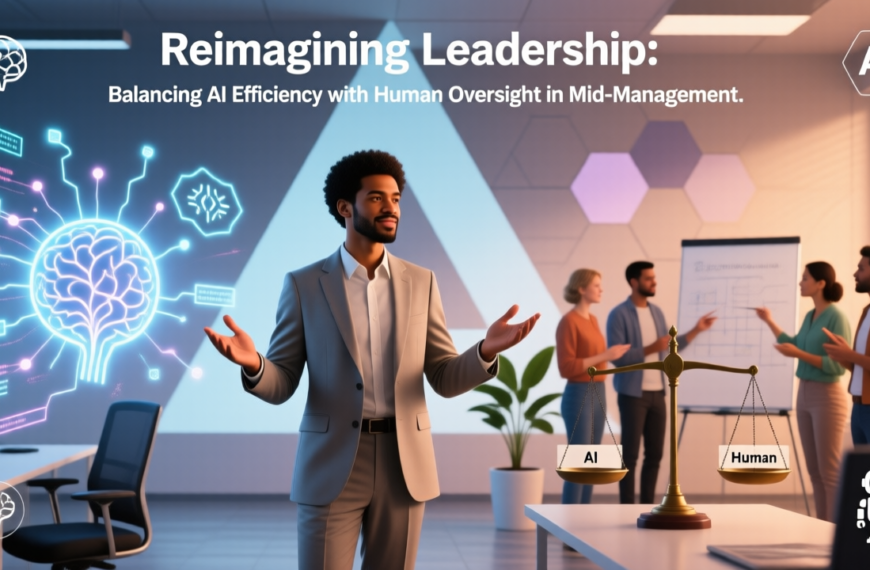
As AI systems become progressively more autonomous and deeply integrated into critical decision-making pathways, robust, adaptive governance frameworks are absolutely essential. This is not about stifling innovation with bureaucratic red tape, but about enabling it safely and responsibly. Action-oriented governance involves implementing sophisticated, real-time monitoring systems for algorithmic bias, establishing crystal-clear lines of human accountability for AI-driven decisions, and ensuring total transparency and explainability in model operations.
Pillar 3: Continuous Algorithmic Upskilling
The half-life of technical skills is shrinking at an unprecedented rate. A winning strategy must prioritize continuous, aggressive learning and upskilling for the entire workforce, extending far beyond the data science and engineering departments. Every employee, from the C-suite to the frontline, must develop a strong baseline level of “algorithmic literacy”—the vital ability to effectively prompt, collaborate seamlessly with, and critically evaluate the outputs of advanced AI systems.
3. Actionable Framework: The AI Value Matrix
To prioritize AI investments effectively and avoid the common trap of “AI for AI’s sake,” organizations should utilize the AI Value Matrix. This practical framework is designed to rigorously categorize potential initiatives based on their projected business impact and implementation complexity.
| Quadrant | Description | Action Strategy |
|---|---|---|
| Quick Wins (High Impact, Low Complexity) | Targeted automation of routine administrative tasks, enhanced customer support via intelligent, context-aware chatbots, and streamlined document processing. | Deploy immediately to build internal momentum, secure stakeholder buy-in, and demonstrate rapid, undeniable ROI. |
| Strategic Bets (High Impact, High Complexity) | Core product innovation, autonomous supply chain optimization, predictive market modeling, and highly personalized customer journey mapping. | Invest heavily, allocate top-tier talent, and manage with rigorous agile methodologies and continuous executive oversight. |
| Operational Upgrades (Low Impact, Low Complexity) | Incremental process improvements, basic data entry automation, and standard report generation. | Automate using readily available off-the-shelf SaaS solutions; strictly minimize expensive custom development. |
| Distractions (Low Impact, High Complexity) | Over-engineered solutions for niche problems, chasing the latest AI hype without a clear, defensible business case or path to profitability. | Avoid entirely; ruthlessly reallocate resources and capital to Quick Wins or Strategic Bets. |
By rigorously and objectively evaluating all potential projects against this matrix, leaders can ensure their AI portfolio remains balanced, highly strategic, and relentlessly focused on driving tangible, measurable business outcomes.
4. Case Study: Revitalizing Global Logistics with Predictive AI
Consider the remarkable recent transformation of OmniTrans Logistics, a massive global shipping conglomerate. Facing unprecedented supply chain volatility, geopolitical disruptions, and fluctuating fuel costs in early 2026, OmniTrans implemented a comprehensive, aggressive AI strategy centered on predictive analytics and autonomous, dynamic routing.
By integrating vast streams of real-time weather data, complex geopolitical risk assessments, port congestion metrics, and decades of historical shipping patterns into a centralized, proprietary AI engine, OmniTrans achieved the following staggering results within just eight months of deployment:
- Reduced Transit Times: A remarkable 15% reduction in average delivery times across all major global shipping routes.
- Fuel Optimization: A 12% decrease in overall fuel consumption due to highly dynamic, AI-driven route adjustments, significantly boosting profitability and reducing carbon footprint.
- Proactive Risk Mitigation: The unprecedented ability to predict and actively circumvent port congestions and labor strikes with 85% accuracy, saving tens of millions in potential delay penalties and lost revenue.
This powerful case study exemplifies the transformative power of an action-oriented AI strategy. OmniTrans didn’t just experiment with AI on the fringes; they boldly embedded it into their core operational nervous system to solve their most critical, complex business challenges.
5. Overcoming the Implementation Chasm
Despite the clear, undeniable imperative, a significant number of organizations continue to struggle to bridge the gap between high-level AI strategy and on-the-ground execution. This perilous “Implementation Chasm” is most often characterized by crippling technical debt, deeply entrenched cultural resistance to change, and a glaring lack of clear, actionable success metrics.
To successfully overcome these formidable hurdles, leaders must take immediate, decisive action:
- Establish Clear KPIs: Define highly specific, easily measurable metrics for every single AI initiative, linking them directly and unambiguously to broader, strategic business goals (e.g., revenue growth, margin expansion, customer retention).
- Foster a Culture of Experimentation: Actively encourage calculated risk-taking and view inevitable failures as valuable, necessary learning opportunities. Create safe, well-resourced environments for employees to test, refine, and deploy new AI tools.
- Modernize Data Infrastructure: AI is ultimately only as good as the data it consumes. Invest aggressively and continuously in modernizing legacy data pipelines, ensuring pristine data quality, and ruthlessly breaking down internal data silos.
Conclusion: The Time for Decisive Action is Now
The window of opportunity to establish a dominant, defensible AI position in the market is rapidly closing. In 2026, AI strategy is no longer a subset of IT strategy; it is entirely synonymous with corporate strategy. The organizations that will survive and thrive in this era of unprecedented disruption are those that take bold, decisive action to integrate AI deeply into their operations, fiercely prioritize data sovereignty, and empower their entire workforce with critical algorithmic literacy.
Crafting a winning AI strategy requires moving far beyond the superficial hype and focusing intensely on tangible, sustainable business value. It demands visionary leadership, highly agile governance structures, and a relentless, unwavering commitment to execution. The tools, technologies, and strategic frameworks are readily available; the executive mandate is clear. The time to act is now.
References and Industry Insights (2026)
- Global Tech Insights. (2026). The Rise of the AI Studio: Centralizing Enterprise Intelligence and Governance.
- Institute for Strategic AI. (2026). Sovereign AI, SLMs, and the Future of Corporate Data Defensibility.
- Supply Chain Optimization Journal. (2026). Predictive Analytics in Global Logistics: The OmniTrans Transformation Case Study.
- Future of Work Forum. (2026). Algorithmic Literacy: Upskilling the 2026 Workforce for Human-Machine Collaboration.

 By
By



 By
By